Why should we wash some foods and not others?
It's good to wash fruits and veggies with cold water. Washing off the excess dirt on fruits and vegetables is important because bacteria like to hide out in the dirt. If you are washing a strong skinned fruit, such as a potato or an apple, feel free to scrub the skin with a brush to get the particles off the skin.
It is however, a BAD idea to wash meat and poultry. When we wash things, water tends to go splashing around sinks and counter tops. Therefore, by washing meat and poultry, we are splattering bacteria everywhere. It's much better just to cook meat and poultry, because the bacteria will be killed in the cooking process.
As always, don't forget to wash your hands and any surface that the meat or poultry may have touched. This will prevent cross-contamination with other foods.
Finally, do not wash eggs. Eggs (at least in USA) have been commercially washed and then coated in mineral oil which protects them. If you wash off the mineral oil, you are increasing the risk of cross-contamination especially if the eggs become cracked.
Wednesday, February 27, 2008


Thursday, February 21, 2008
Did you know? Important facts about cooking pasta.
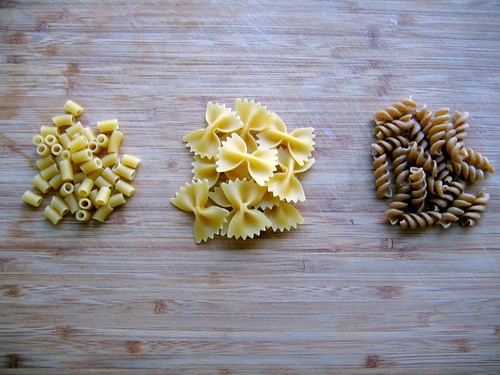
Cooking pasta seems like a relatively easy and simple thing to do. However, many people make a couple of common mistakes when they cook pasta.
The first error many people make is to cook the pasta in not enough water. You should use AT LEAST 4 liters of water per pound of pasta. If you don't use enough water, pasta becomes gluey and stuck together.
The water for cooking pasta should be at a roaring boil before you add a teaspoon of salt to the water, and then the pasta. Make sure to stir the pasta periodically, to make sure it is staying separated and not getting stuck to the bottom of the pan.
The biggest error people make when cooking pasta is to add oil to the boiling water. Sure, it may help the pasta from getting stuck together, but once cooked, the pasta is coated in oil. If the pasta is coated in oil, it acts as a protective barrier and does not allow the sauce to bind to the pasta. Bad!
Finally, always add the pasta to the sauce, straight from the boiling water if possible. It's good not to drain every last drop of water from the pasta, because the water has a lot of starch from the pasta and will help the sauce bind to the noodles.
Monday, February 18, 2008
My friend on Martha Stewart!!
One of my dear friends from college, Lauren, who runs the blog veganyumyum, is going to be on the Martha Stewart show on Monday, February 25th! Please check out her blog, and if you can, watch the show next Monday!
Lauren will be demonstrating how to "knit" with marzipan.
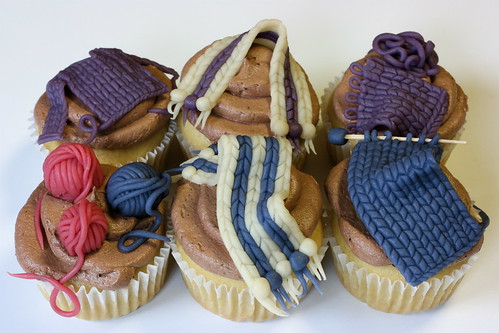
Lauren is very creative (isn't her marzipan lovely!). She is also a leader in the vegan food world.
Good luck Lauren!!
Lauren will be demonstrating how to "knit" with marzipan.
Lauren is very creative (isn't her marzipan lovely!). She is also a leader in the vegan food world.
Good luck Lauren!!
Monday, January 21, 2008
A Favorite Condiment: Frank's Red Hot
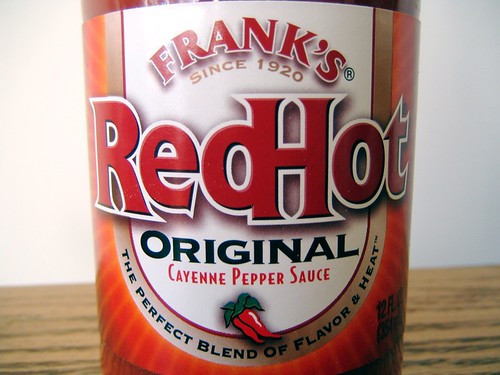
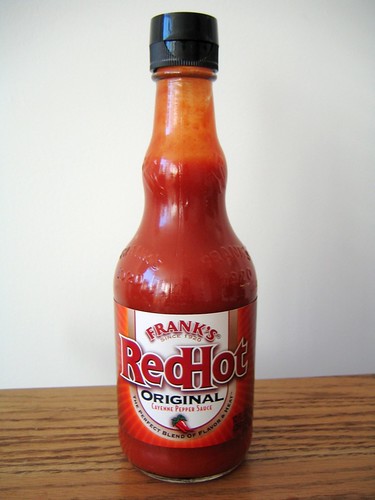
I love Red Hot. It's my universal hot sauce. If something tastes bland, or not that good, I just put on some Red Hot and it's instantly improved.
I've used Red Hot on pasta, poultry, chinese food, mexican food, salads; basically, anything that needs a flavor boost.
Why do I like Red Hot better than other hot sauces? Red Hot adds some heat, but not that much; it's the overall savory and tangy flavor that tastes so good.
Red Hot is made from only five ingredients: aged cayenne peppers, vinegar, water, salt, and garlic powder. Maybe it's the aged cayenne peppers that make it taste so wonderful. Or perhaps it's the fact that even though there is some heat, your tongue doesn't feel as if it will fall off.
Red Hot boasts that it was used in the first ever buffalo wing in Buffalo, New York in 1964. That's quite an accomplishment considering buffalo wings are eaten all over the country now. As a matter of fact, the National Chicken Council estimated that during Super Bowl weekend in 2007, more than 1 billion wing portions were served! That's approximately 90 million pounds of wings!
If you have never had Red Hot, I highly recommend it. Give it a try, it'll add some pizazz to an otherwise boring meal.
Monday, January 14, 2008
Steps to Keeping your Kitchen Safe: Refrigerator Temperature
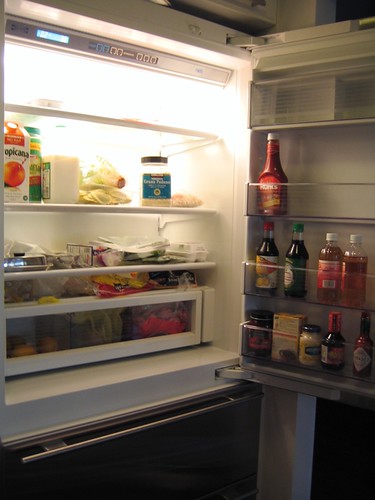
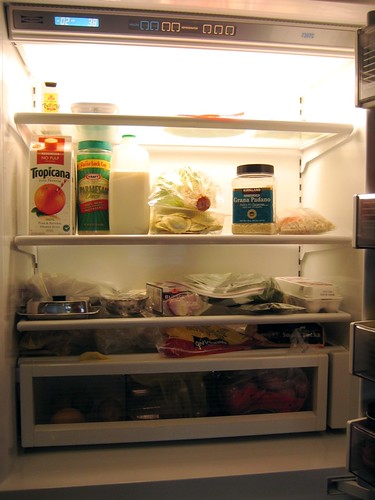
It's important to keep your refrigerator below 40 degrees Fahrenheit, (5 degrees Celsius) at all times. It's easy to check the temperature of your fridge; stick a thermometer on the middle shelf of your fridge for a few minutes and you'll see if you are above or below the 40 degree mark. If you have a newer fridge, there is probably a temperature gauge which is great. It's still not a bad idea to double check the temperature of the fridge with a thermometer to make sure it is fairly accurate.
Why is it important to keep the fridge below this temperature? If food is kept above 40 degrees Fahrenheit, it harbors the growth of bacteria. Below 40 degrees Fahrenheit, bacteria will stop multiplying. The fewer bacteria there are, the less likely anyone will get sick.
When you freeze food, bacteria growth stops completely. It won't kill the bacteria that is already on the food, but it will stop it from growing further. Freezing food at 0 degrees Fahrenheit, or -18 degrees Celsius will accomplish the goal of stopping the bacteria growth.
Saturday, January 12, 2008
Did You Know? Banana Facts

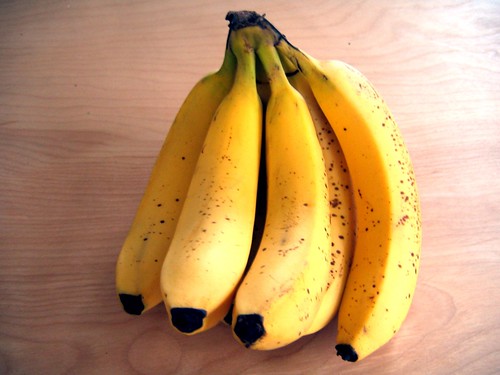
Did you know that bananas are always picked green? If they were ripened on the plant, bananas would be very mushy inside.
When buying bananas, it's perfectly okay to purchase them somewhat green, but it's important to let them ripen on a counter top in your kitchen. Don't put bananas in the fridge!
The only time it is alright to keep a banana in the fridge is when the banana is already fully ripe. Placing the banana in the fridge will turn the skin black, but the flesh inside will still be fine. Placing a banana in the fridge is the best way to slow down the deterioration of a fully ripe banana.
Bananas with brown speckles are wonderful to eat; it is at this point when they are very sweet.
Bananas are available all year round and come from tropical locations.
Thursday, January 10, 2008
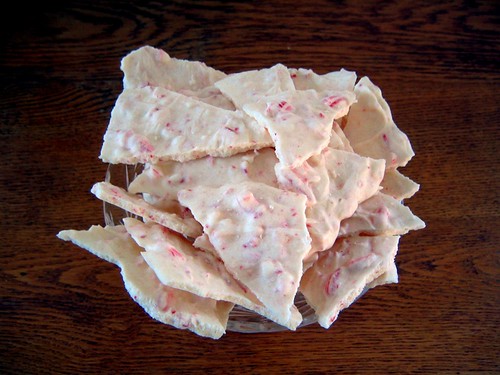
Peppermint Bark - Fun For Kids
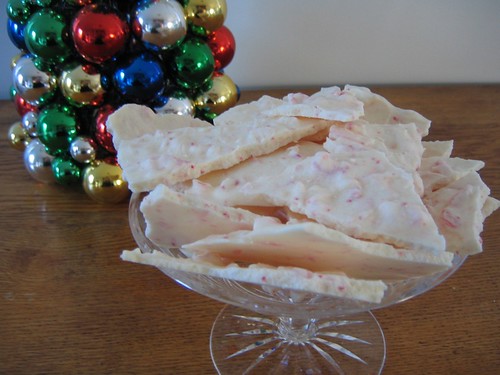
Christmas is over, trees are being disposed of, and decorations are being put away until next year. And then there's always the leftover candy canes. What should I do with them? Stick some in my purse and use them as breath mints? Keep a bowl out for the kids? Feed them to a horse?
No! I say, make peppermint bark! It's so simple to make, and with no eggs or other raw foods it's very safe for the kids to help with.
Peppermint Bark
Makes approximately 30 bite size pieces
Ingredients
12 ounces of white chocolate
3 ounces of candy canes
The first thing to do with this recipe is set up a bain-marie (double boiler). A bain-marie is used to keep things from burning. It's a method often used to melt chocolate, or make mayonnaise or hollandaise sauce.
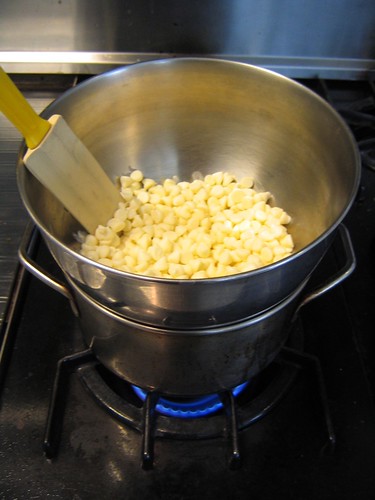
It's very simple to make a bain-marie. Take a pot, and fill it about 1/3 full with water. Then take a bowl that will sit nicely on top of the pot without touching the water. Heat gently under a low to medium flame. Now the bain-marie is ready to use.
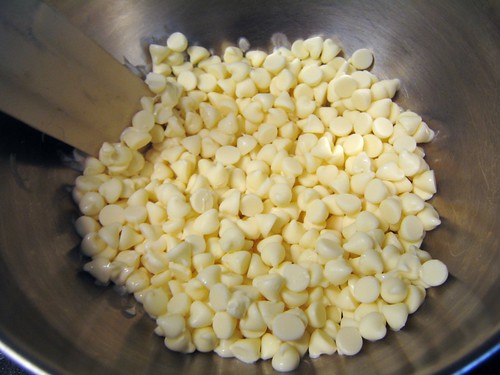
Take the white chocolate, and place it in the top bowl of the bain-marie. It will start to gently melt.
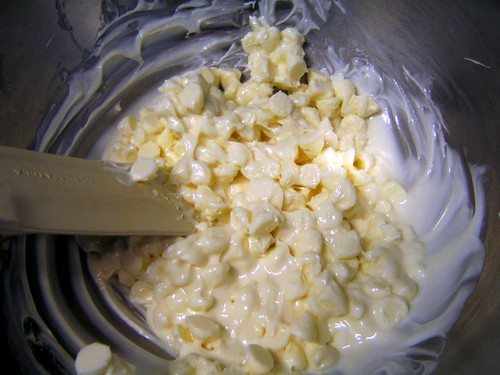
Stir the chocolate occasionally, until all of the chocolate is melted.
In the meanwhile, place the candy canes into a ziploc bag, seal the bag without air in it, and crush them with a rolling pin, or something else heavy.


When the chocolate is completely melted, turn the heat off, and fold in the peppermint pieces until well incorporated.
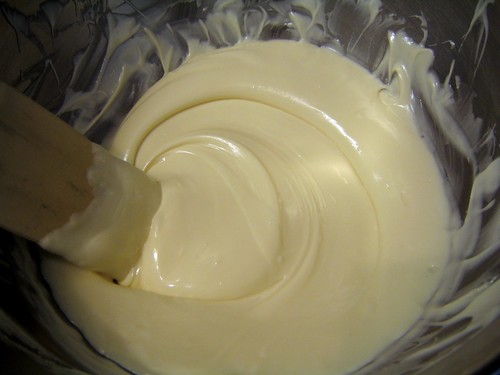
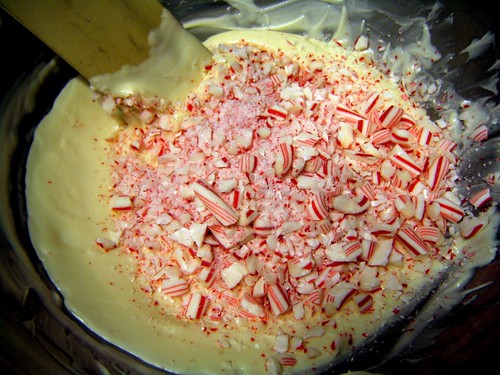
Then, on a waxed covered cookie sheet, pour out the chocolate and peppermint mixture.
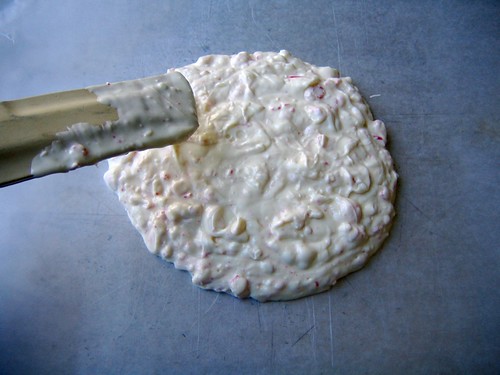
Spread this mixture out carefully until it is 1/8-1/4 of an inch thick.
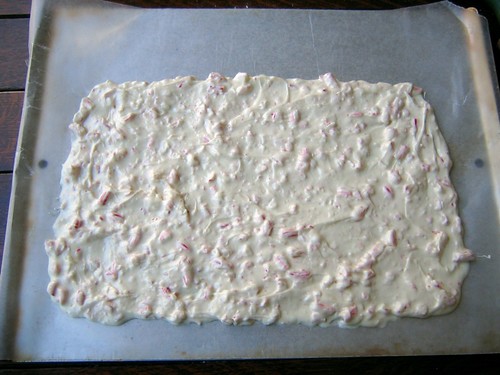
Let the chocolate harden, which takes approximately 20 minutes. You can also set this aside for a few hours and come back to it if need be.

Finally, break the hardened chocolate into bite size pieces.
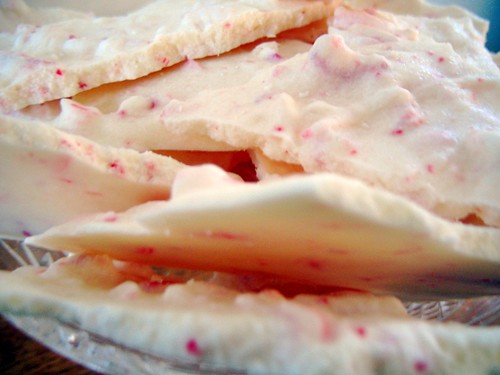
The taste of the peppermint bark is mildly sweet and cooling.
Subscribe to:
Posts (Atom)